
A note from the founder
Why I started DRD.
The first version is only the beginning. On building software we can understand, build on, and call our own.
A foundation for the work ahead.

Someone sends me a website they’ve built with AI. They’re excited. They should be. An idea that used to live only in their head is now something the rest of us can use.
Then I open the project. And the question changes: how do we keep building from here?
The website looked great. Then I opened the project.
Sometimes, though, what they send over is one enormous HTML file. The layout, styling, and behavior are packed together, with messages left by agents trying to explain the work to whoever comes next. There is a lot of effort in that file. Finding a way to carry it forward is another job entirely.
A single file can be the right home for a simple page. But eventually someone needs to change a form, fix a shared design, or understand where information is saved. The next person—or the next agent—needs to find their way without reconstructing every conversation that made the project.
That gap between a promising first version and a project you can keep improving is why I started DRD.
An expensive education.
I’ve spent tens of thousands of dollars experimenting with AI and trying to make things we can get real value from. Some of that work showed me what was possible. Some showed me how easily a promising result could fall apart when I asked it to do a little more.
I kept returning to the same questions. What should an agent know before it starts? What should already be built? How do we check a change? And how do we make the next change without losing track of the last one?
The starting point matters. So does the process around the agent: the instructions it follows, the tools it can use, and the checks that tell us whether its work is ready. I started putting those lessons into DRD so the money and effort spent learning could improve someone else’s starting point, too.

“I want the work to accumulate.”
A useful thing should have a second life.
I’ve seen one team use AI to build a tool that makes its work easier, then another team build essentially the same thing. Each has solved a real problem. Each now has another piece of software to understand, maintain, and fix.
Generation makes starting again tempting. But the work continues long after the code appears. If we’ve already built something useful, I want us to document it, improve it, and use it again. A lesson learned in one project should have a chance to help the next.
That is the reason for DRD’s reusable components. They give the agent an established place to begin, so more of our attention can go toward what makes your project yours.
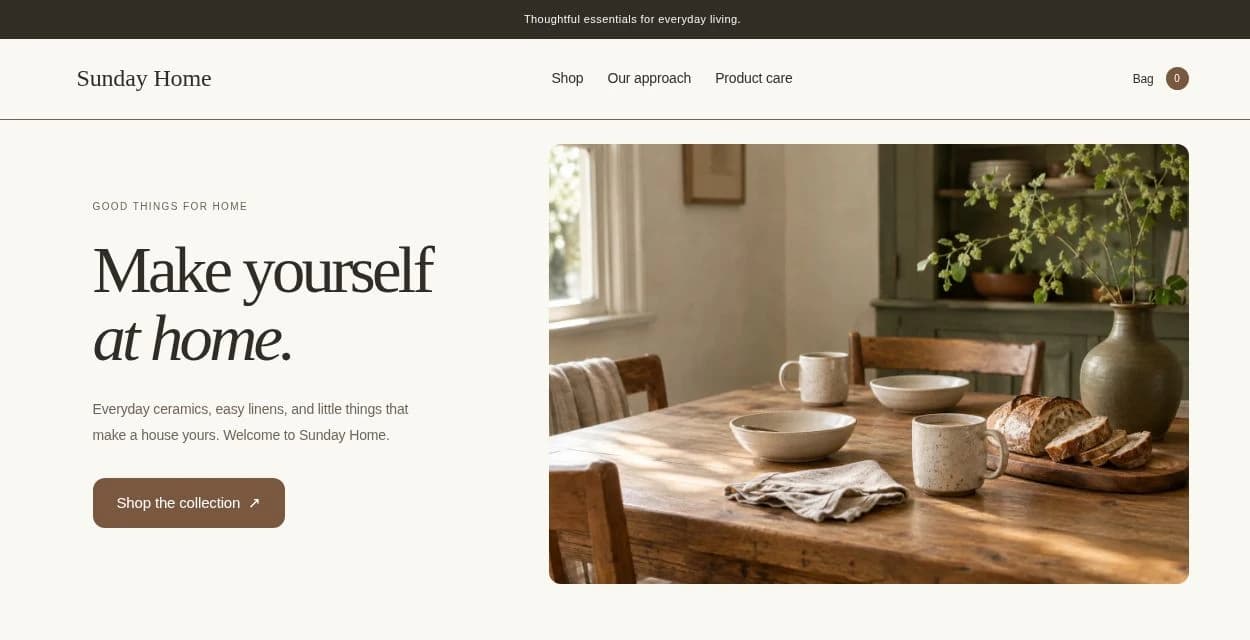
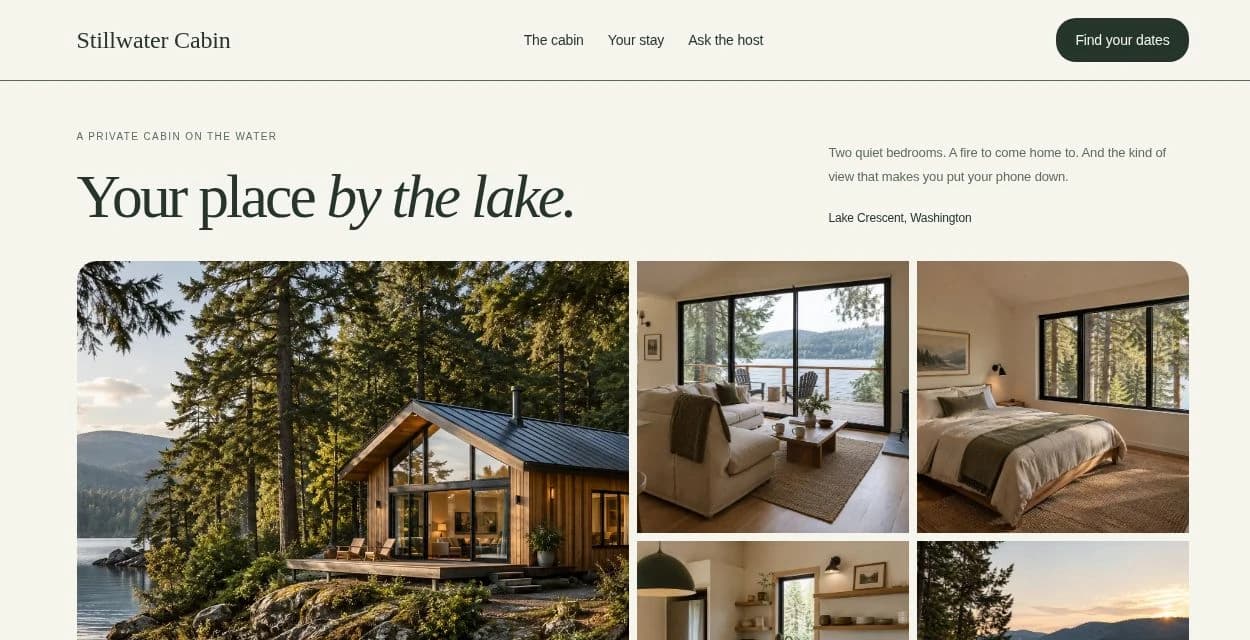
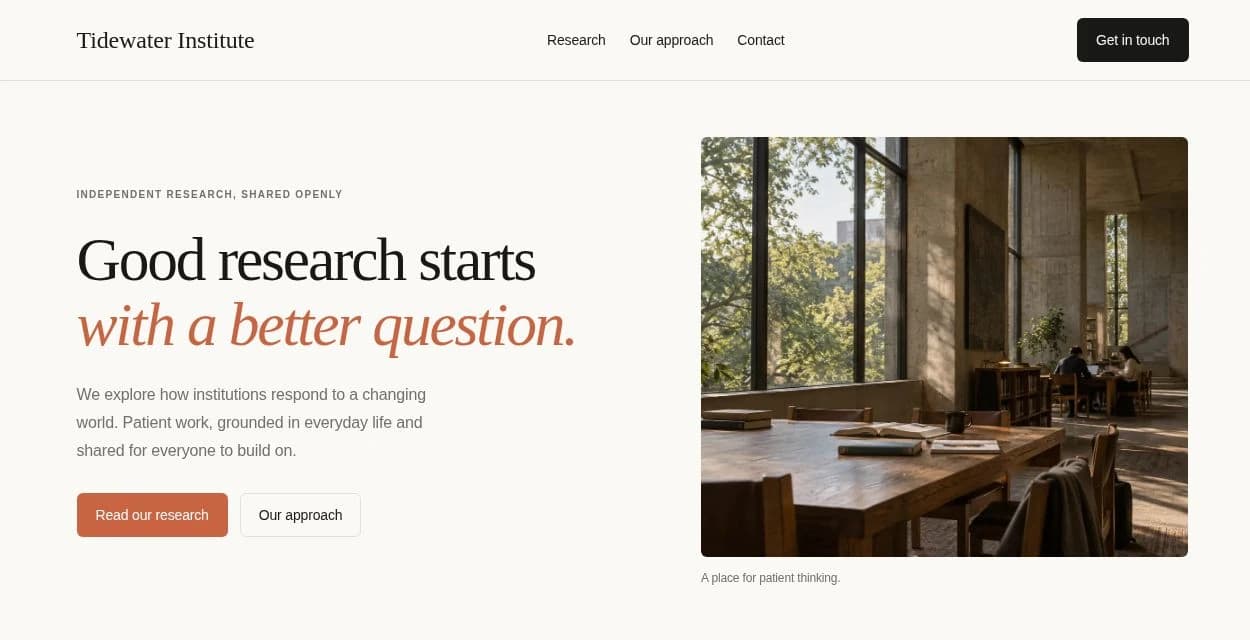
Storefront brings a collection, product details, and a shopping bag into one starting point.
DRD template previews · Sample businessesGive the agent a better starting point.
DRD begins with an organized application: a foundation with places for pages, shared interface components, application behavior, and data access. The structure gives both people and agents a way to understand the work as it grows.
Around that sits what engineers call a harness. It’s the working environment for the agent—its tools, instructions, component documentation, and the steps it follows to make and check a change. Those details shape what the agent can reliably do.
In DRD, changes go through a preview and a production build check, with a review step before you approve publication. You can look at what has been made before it goes live. A successful build is still only one part of readiness; behavior, permissions, and integrations need to be checked for the job the app will do.
This is where I’m putting the engineering work: into a repeatable way to turn an idea into a project we can understand, maintain, and keep improving.
A place for the next change.
An organized project makes the work easier to find, understand, and carry forward.
- 01
Pages
Where someone arrives.
Add a place to tell your story. - 02
Shared components
The pieces used again.
Improve a form wherever it appears. - 03
Application behavior
What happens when you act.
Change how a booking is handled. - 04
Data access
How information is stored and retrieved.
Know where a saved record comes from.
Your work should stay yours.
You might want to open the project in your own editor, work with another coding agent, bring in a developer, or run it somewhere else. That should be a choice you can make.
In DRD, you can inspect and export your saved source and export project resources for use elsewhere. Clear structure matters here, too. The person picking up the project needs to be able to find their way around it.
Moving a running app still takes work. Data may need restoring, services need connecting, and integrations that rely on DRD may need replacing. An export gives you the materials to do that work; it doesn’t move every external service automatically.
“I want you to stay because DRD continues to be useful to you.”
And it has to work out in the world.
An app becomes useful when people can actually use it. It needs an address, a way to publish updates, the services that support it, and a practical way to keep running. Those details are a lot to take on when you came here with an idea for a business, a community, or a better way to work.
I’ve spent a great deal of time bringing development, deployment, and hosting together in DRD. I want the infrastructure to fit the project and its running costs to make sense. Making that path simpler and more affordable is ongoing work.
The excitement of making a first version is worth preserving. I want what comes after it to feel possible, too: the next change, the next person who helps, the next thing your project needs to become.
That’s what I’m building DRD for. A good place to start, and something you can keep building on.
Give your idea a foundation.
Start with something solid. Then make it your own.
What has building with AI been like for you?
Share a lesson, a question, or something you’d like to build on. Comments are public.
Loading comments…